The Power of NADA (National Acupuncture Detoxification Association) Points in Physiotherapy
We’ve all been learning a new technique within Activ physiotherapy recently, in fact some of you may have been offered something called NADA points. This is not a fancy new gadget or exercise trend – NADA points refer to a specific set of acupuncture points in the ear that are becoming increasingly popular as a simple, calming add-on in many therapy settings.
So why are physios interested, how might they help to calm us in times of pain and distress or even help women navigate the ups and downs of menopause?
What Are NADA Points?
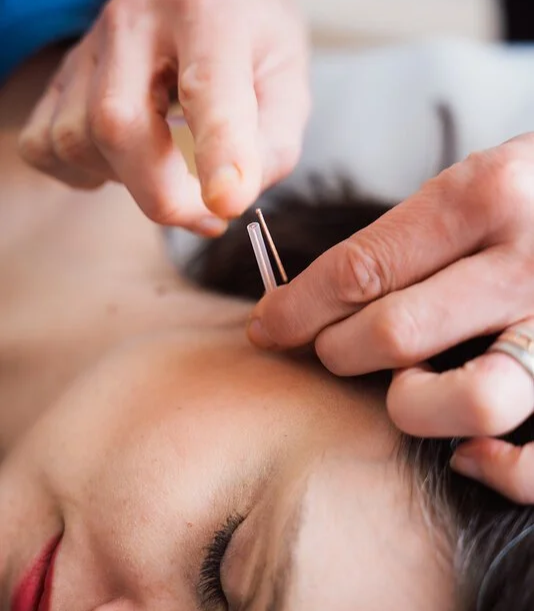
The NADA (National Acupuncture Detoxification Association) protocol was originally developed in the 1970s to support people recovering from stress, and trauma. It involves five tiny needles placed in each ear, targeting specific points linked to the body’s nervous system and internal organs.
The five classic NADA points are:
• Shen Men – known as the “Spirit Gate,” used to calm the mind and reduce anxiety.
• Sympathetic – helps relax the nervous system and ease muscle tension.
• Kidney – supports energy and resilience.
• Liver – thought to aid detoxification and emotional balance.
• Lung – helps with breathing, grief, and emotional release.
These points are all about balance. Restoring calm, improving sleep, and reducing the kind of internal “buzz” that can keep the body in a state of stress.
Why Physiotherapists Use NADA Points.
In physiotherapy, especially when working with chronic pain, stress-related tension, or hormonal changes, the mind-body connection is hard to ignore.
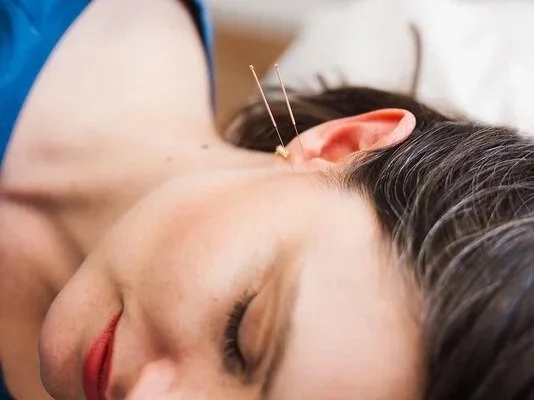
Many physiotherapists trained in acupuncture or auriculotherapy (ear acupuncture) now use NADA points as a gentle, supportive treatment to:
• Reduce stress and anxiety that can worsen pain.
• Promote better sleep and relaxation.
• Support overall wellbeing alongside physical rehab.
NADA and Menopause: What’s the Connection?
Menopause is a major hormonal shift that affects everything from temperature control to mood, sleep, and joint health. Hot flushes, brain fog, irritability, and fatigue, can make daily life and exercise feel like an uphill battle.
Because the NADA protocol is simple, non-invasive, and doesn’t require diagnosis-specific point selection, it’s a great “whole-person” tool to include within a broader physiotherapy plan.
This is where physiotherapists can 'step in' and use NADA points for menopausal women.
While research is still growing, many menopausal women report that ear acupuncture, especially the NADA protocol, helps to:
• Calm emotional ups and downs (thanks to the Shen Men point).
• Improve sleep and reduce nighttime restlessness.
• Ease hot flush frequency and intensity by regulating the nervous system.
• Lower tension in the body, which can relieve aches and pains often felt during menopause.
For physiotherapists, using NADA points can complement exercise, manual therapy, and lifestyle guidance—creating a more holistic approach to managing menopausal symptoms.
A Calming Add-On, Not a Cure-All.
It’s important to say that NADA isn’t a stand alone “fix.” It’s a gentle technique that can enhance the body’s natural ability to rebalance. In a physiotherapy context:
The treatment is best used alongside:
• Regular movement and strength work.
• Good sleep hygiene.
• Stress reduction strategies.
• Nutritional and lifestyle support.
Many patients find the sessions deeply relaxing and sometimes describe the feeling as a “reset button” for their nervous system.
NADA points offer a subtle yet powerful way to support wellbeing within our physiotherapy practice.
In times of stress and anxiety, due to pain or for women going through menopause, this simple ear acupuncture approach can bring relief from the emotional and physical rollercoaster that often comes with those hormonal changes.
It’s not magic! However, the evidence is promising for it being medicine of the calm and balancing kind.
If you would like to chat to any one of our team about how this NADA technique may help improve your wellbeing (or help you deal with Menopause symptoms) just give us a call. We can get you booked in for this popular treatment.
If you need more advice on ourSheffield & Hope physiotherapy treatments or would like to book an appointment with our team of experienced physiotherapists and sports massage therapists, call one of our friendly clinics:
Sheffield Physiotherapy in Totley: 0114 235 2727
Derbyshire Physiotherapy in Hope: 01433 623 602