
Bone Fractures Explained
Recently, parts of the country have been in the grip of storms, high winds and snow blizzards. Snow and ice periods cause a significant (more than double) increase in fracture risk, often creating an 'epidemic' of injuries. Over 60% of these incidents involve upper extremity injuries, (primarily wrists when trying to break a fall) along with ankles and hips (due to slipping). I later explain why physiotherapy plays an important role in patient recovery.
Here is a fracture overview:
What Is A Fracture?
A fracture is defined as a break or loss of continuity in a bone. Fractures most commonly occur as a result of trauma such as falls, road traffic accidents, or sports injuries, although they may also develop due to repetitive stress or underlying conditions like osteoporosis. Depending on the mechanism of injury and bone quality, fractures can vary widely in severity and presentation.
Classifications.
Fractures are commonly classified based on their appearance and cause. A closed fracture occurs when the bone is broken but the skin remains intact, while an open fracture involves a break in the skin and carries a higher risk of infection. Fractures may be complete or incomplete, displaced or non-displaced, and in some cases may occur as stress fractures due to repetitive loading. Pathological fractures occur in bones weakened by disease. Identifying the type of fracture is essential, as it influences both medical treatment and rehabilitation planning.
How Are Fractures Treated?
The primary aim of medical management is to ensure proper alignment and healing of the bone while preventing complications. This is often achieved through immobilization using casts, splints, or braces. In some cases, reduction is required to realign the bone fragments, which may be performed either closed or surgically. More complex fractures may require internal or external fixation using plates, screws, or rods. Throughout this process, pain and inflammation management are important to support patient comfort and recovery. Bone healing progresses through inflammatory, reparative, and remodelling phases, each of which has implications for physiotherapy intervention.
Why physiotherapy plays a key role in the fracture healing process?
Physiotherapy plays a crucial role throughout the recovery process, beginning in the early stages of immobilisation. During this phase, the focus is on education and control of pain and swelling, maintaining mobility in adjacent joints, and preventing muscle atrophy through gentle static/isometric exercises. Breathing and circulation exercises are also important to reduce the risk of secondary complications associated with reduced mobility.
Once immobilisation is reduced or removed, physiotherapy shifts toward restoring joint range of motion and muscle strength in a controlled and progressive manner. Treatment may include mobility exercises, strengthening programmes, and scar management following surgical intervention. As healing progresses, weight-bearing activities are gradually introduced in line with medical guidance.
In the later stages of rehabilitation, physiotherapy emphasises functional recovery. This includes balance and proprioceptive training, gait re-education, and functional task practice tailored to the individual’s daily activities, work demands, or sporting goals. Education on safe movement strategies and injury prevention is also an essential component of care.
In conclusion, fracture management is a multidisciplinary process in which physiotherapy plays a key role in restoring function and promoting optimal recovery. Through structured and individualised rehabilitation, physiotherapists help patients regain strength, mobility, and confidence, enabling a safe return to daily activities and reducing the risk of long-term complications.
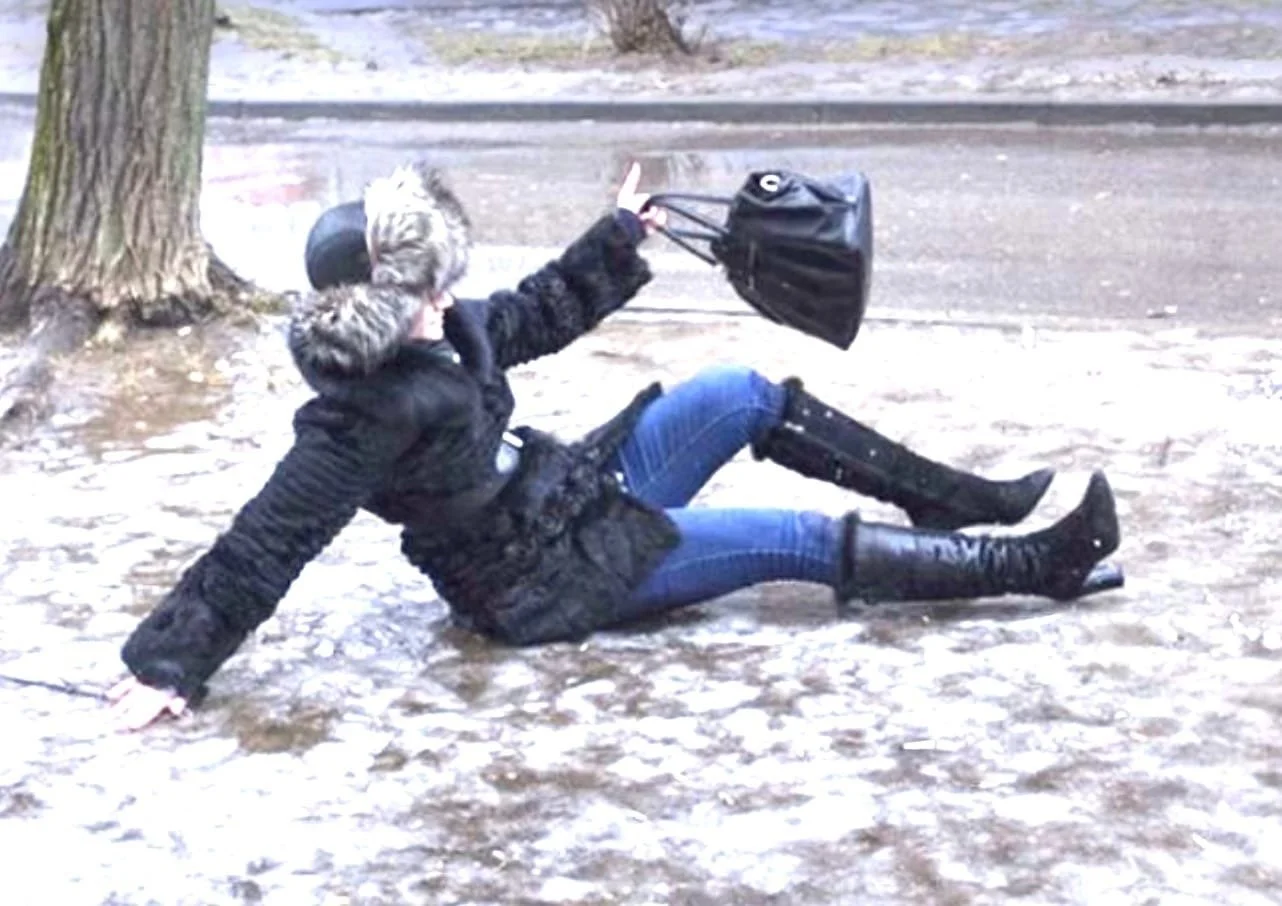
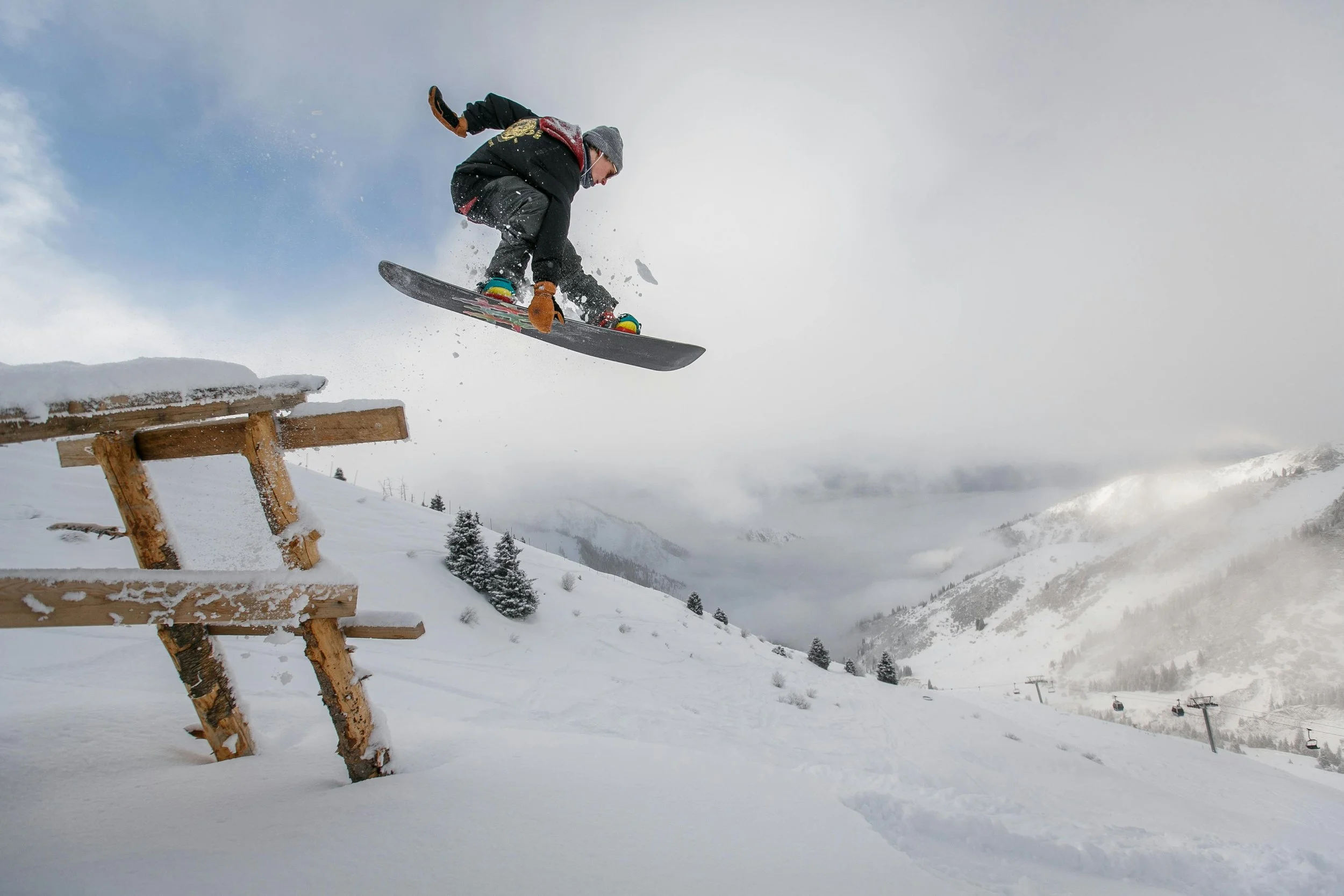
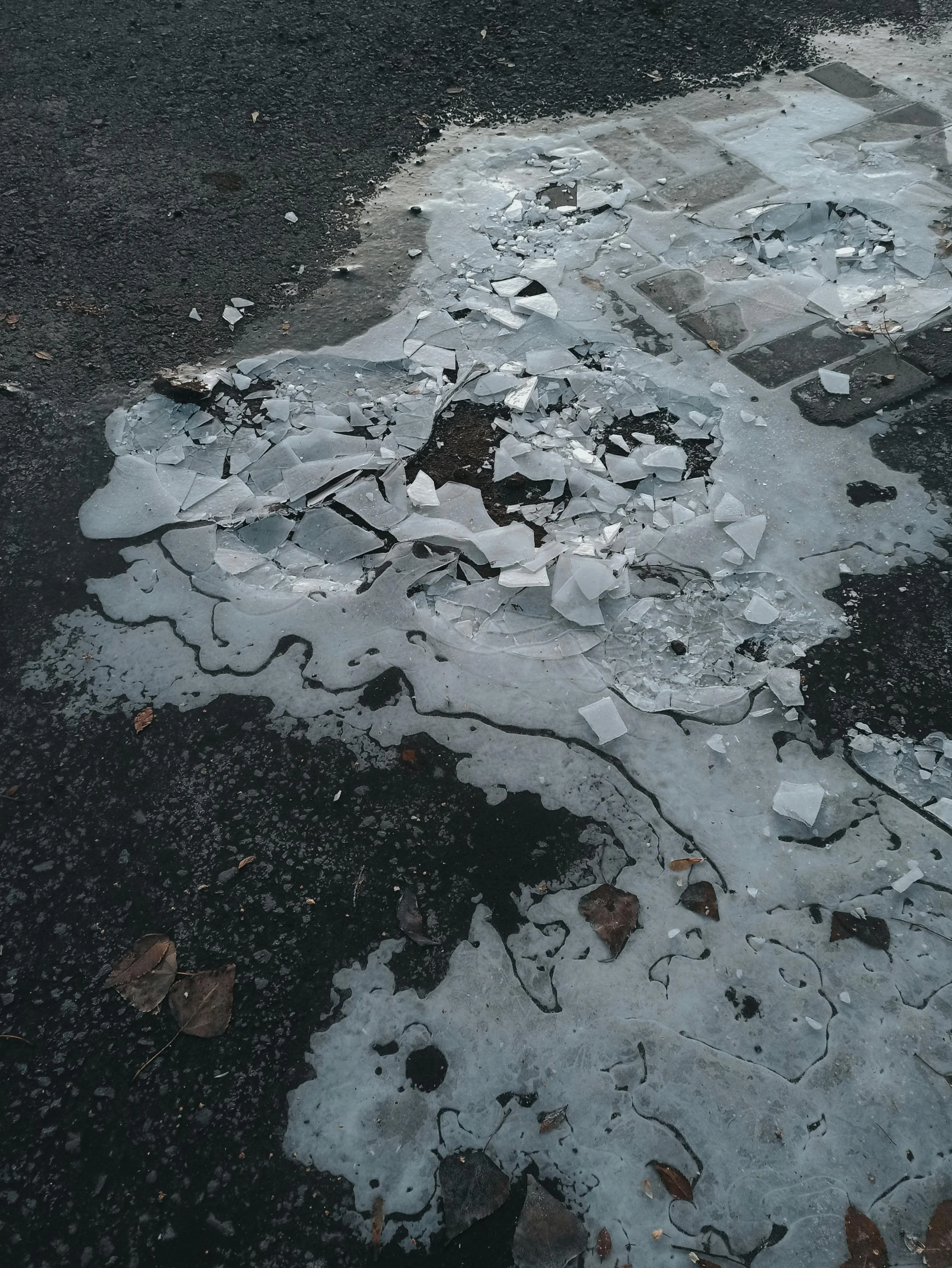
The increased risk of fractures from falling on snow and ice
Risk Increase: Fracture rates can increase by over 2.2 times compared to normal weather conditions.
Common injuries: The most frequent injuries are to the wrist (34%),followed by ankles (18%) and shoulders.
Demographics: Women are more frequently affected and many victims are over 50.
Impact on Services: These events often overwhelm emergency departments, requiring 'major incident' resources.
Prevention: The most effective measures include rapid snow/ice removal and the use of anti-skid devices (such as metal 'tracks') worn on shoes. High heels (see image) are a no-no! Flat shoes and boots with a good tread help aid traction.
Snowboarder's Fracture: A specific injury involving the lateral process of the talus in the ankle.
If you would like to book an appointment with our team of experienced physiotherapists and sports massage therapists, call one of our friendly clinics:
Totley Physiotherapy Clinic in Sheffield: 0114 235 2727
Hope Physiotherapy Clinic in Derbyshire: 01433 623 602