
Common Football Injuries And How To Treat Them
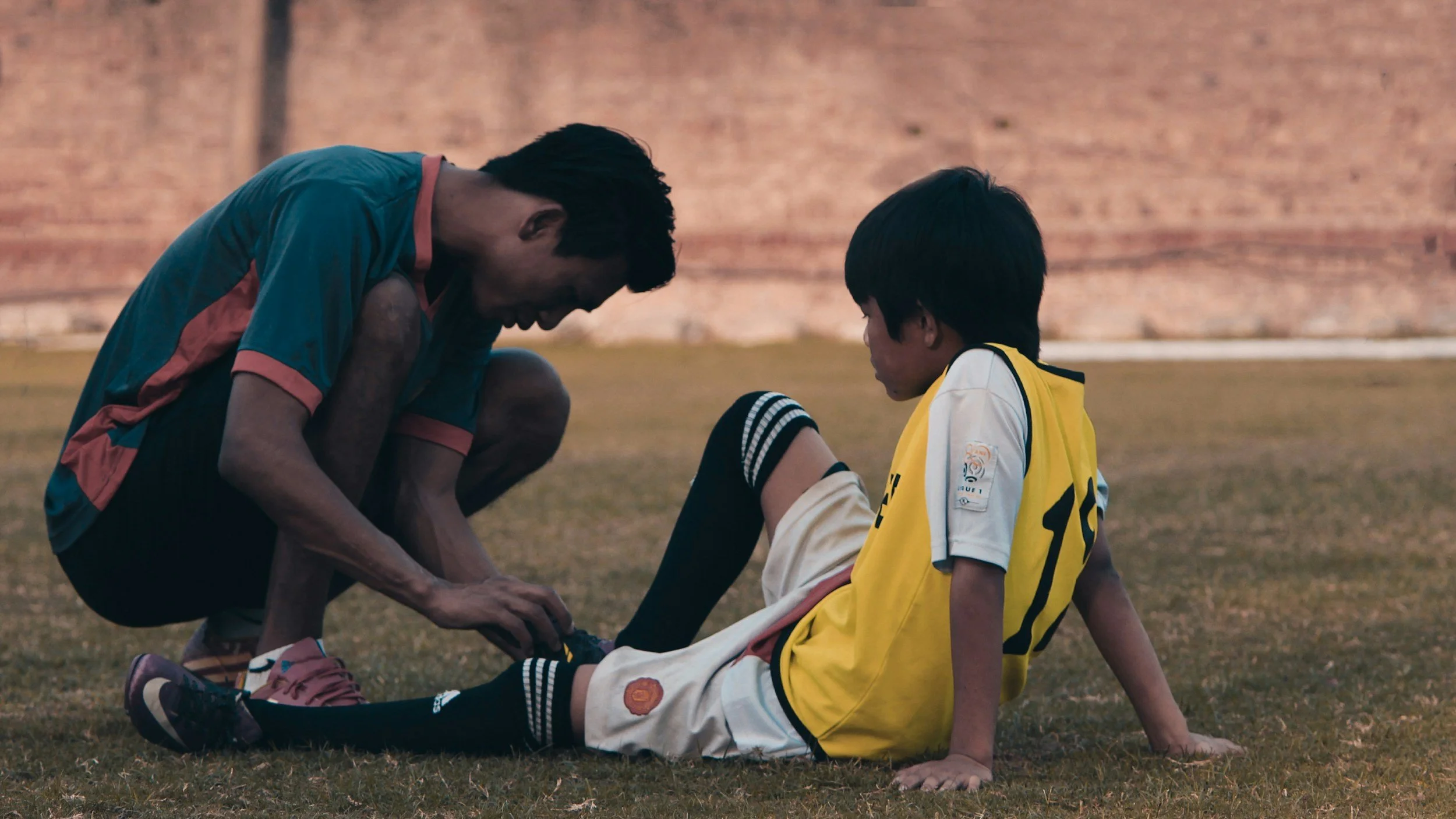
Football (aka soccer) is a high-intensity sport that demands agility, speed, and incorporates physical contact — all of which increase the risk of injury, something I have dealt with in adults and children in my club Physio and relief Academy Physio roles at Worksop Town and Chesterfield FC respectively.
The most common football injuries affect the legs, knees, ankles and muscles.
1. Sprains and Strains.
Sprains and strains are injuries involving the overstretching or tearing of ligaments (in the case of sprains) or muscles and tendons (in the case of strains), often caused by sudden twisting or excessive force. Treatment typically involves the RICE method—Rest, Ice, Compression, and Elevation—although more severe cases may require physiotherapy for full recovery. These injuries can often be prevented by warming up properly before activity, incorporating regular stretching, and strengthening the core and leg muscles to enhance stability and flexibility.
2. Ankle Injuries.
Ankle injuries commonly occur due to uneven playing surfaces or rapid changes in direction during play. Managing these injuries usually involves rest, the application of ice, and providing support through the use of a brace or taping. In more serious cases, especially with severe sprains, a structured rehabilitation program may be necessary. Prevention strategies include balance and proprioception training, the use of ankle supports, and ensuring that players wear well-fitted boots appropriate for the sport.
3. Knee Injuries (e.g., ACL, MCL Tears).
Knee injuries such as ACL or MCL tears often result from sudden stops, pivots, or direct tackles, and they can be serious with long-term implications. Treatment varies depending on the severity of the injury, ranging from conservative management like rest and physiotherapy to surgical intervention in more severe cases. Preventing knee injuries involves strengthening the thigh and hamstring muscles, learning and practicing safe landing techniques, and avoiding excessive training that could lead to fatigue and poor form.
4. Hamstring Strains.
Hamstring strains typically occur when sprinting or kicking forces the muscle to overstretch or tear. Treatment includes rest and a gradual return to activity with careful stretching; athletes should only resume full play once complete recovery is confirmed to avoid re-injury. Preventative measures focus on regular hamstring strengthening and flexibility exercises, which help the muscles better tolerate the demands of high-speed movements.
5. Contusions (Bruises).
Contusions, or bruises, are usually caused by direct impacts, such as tackles or other forms of physical contact. Treatment involves applying ice to reduce swelling and ensuring adequate rest, while also protecting the injured area from further impact during recovery. These injuries can be prevented by wearing protective gear such as shin guards and using proper tackling techniques to minimize the risk of direct blows.
6. Prevention.
To help prevent injuries, it is important to always warm up before physical activity and cool down afterward. Maintaining good hydration and proper nutrition also plays a crucial role in overall health and performance. Additionally, wearing appropriate footwear for the specific playing surface can significantly reduce the risk of injury. Getting adequate rest between games and training sessions is also key for adults, but even more so for growing children. By combining proper conditioning, safe techniques, and early treatment, most football injuries can be effectively managed — and often prevented.
Rob runs the Activ Kids clinic in Sheffield and Hope, and often treats injuries so youths can return to whatever sport they play. Please contact the Totley clinic if you would like to discuss your child's sporting injury and find out more about physiotherapy assessment, treatment and recovery plans.
If you require more information on our physiotherapy service, or you would like to book an appointment with our team of experienced physiotherapists and sports massage therapists, call one of our friendly clinics:
Sheffield Physiotherapy Clinic: 0114 235 2727
Hope Physiotherapy Clinic: 01433 623 602
